
 Contact

キャプティブ 2026.07.26
CA86 南海トラフ地震に備える自衛隊
Copyright © Shinichiro Hatani 2026 All rights reserved
For those who prefer to read this column in English, the Japanese text is followed by a British English translation, so please scroll down to the bottom of the Japanese text.
かつて、全世界に14万5千人の従業員を雇用、1997年にその株価は1株94.75ドルを記録、しかし、その後の度重なる経営判断の失策によって事業が大きく失速。株価は遂には1株0.36ドルにまで暴落、その挙句2012年1月19日「連邦倒産法第11章」(Chapter 11)を申請、倒産した世界的な企業が、その姿を往時の十分の一、二十分の一に変えて米国に存在している。
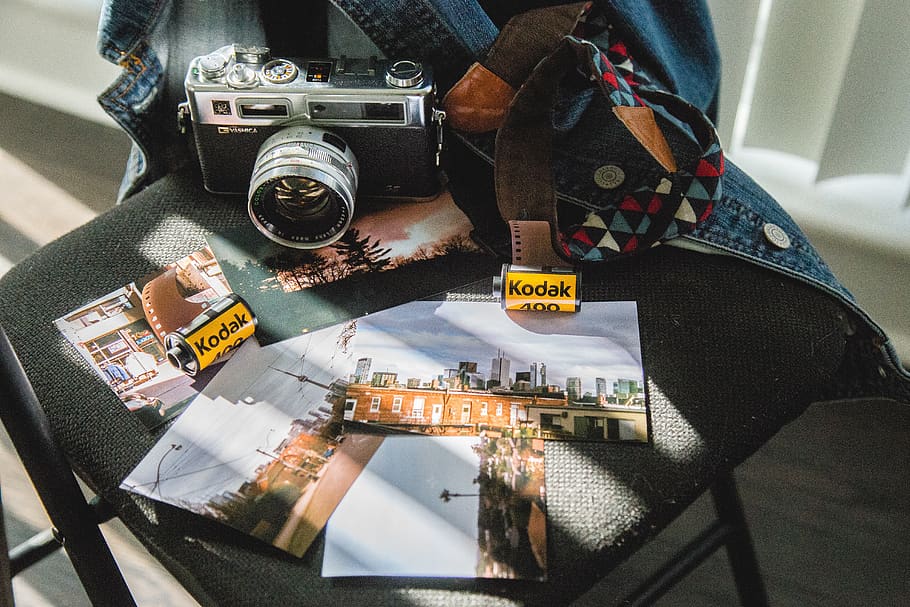
誰しも一度はその名前を聞いたことがある世界的な会社、1888年ジョージ・イーストマンによって創業された「イーストマン・コダック・カンパニー」(通称「コダック(Kodak)」である。
それまでの重いガラス板(乾板)に代わって登場し、写真を広く普及させるきっかけとなった、今我々が知る「軸に巻きつけた帯状の写真フィルム」(ロールフィルム)を世界で初めて開発、発売した会社であり、この発明によってトーマス・エジソンは初の映画用カメラを1891年に開発することができた、そんな「映像界の巨人」ともいうべき企業であった。その後も、カラーフィルム、デジタル・カメラ等を世界で初めて開発した、世界的な超優良企業であった。
なぜ、そんな超優良企業が倒産の憂き目を見ることになったのか。

1.デジタル・カメラ
世界最大と言われた米国の保険会社を辞めて帰国、「わが社120年の歴史で初めて個人の経営コンサルタントをお願いすることになりました」とのお言葉をいただき、設立されたばかりの大手財閥系生命保険会社の損害保険子会社の経営コンサルティングを委嘱され、その2年後、1999年4月、同社の担当部長とともに海外出張をした。保険商品の開発、そのための業務協力・業務提携候補先の調査と交渉のための出張であった。
米国ダラスの地で開催された、世界最大のリスクマネジメント団体、「RIMS (リスク・保険管理者協会:Risk and Insurance Management Society, Inc.)」の 第37回年次総会への参加を皮切りに、ニューヨークへ、そしてキャプティブの設立コンサルティングも事業領域にする調査のためバミューダへ、最後の目的地は世界の損害保険の中心地、英国ロンドンのシティであった。後に長くお世話になることになる、大手総合商社の再保険ブローカー、そして大手欧州系・豪州系損害保険会社との面談、交渉のためであった。全行程、実に4週間の世界一周の出張であった。
この時、持参したカメラは、コダックと同じ業種の「富士フィルム」から前月発売されたばかりの新型の「デジタル・カメラ」であった。
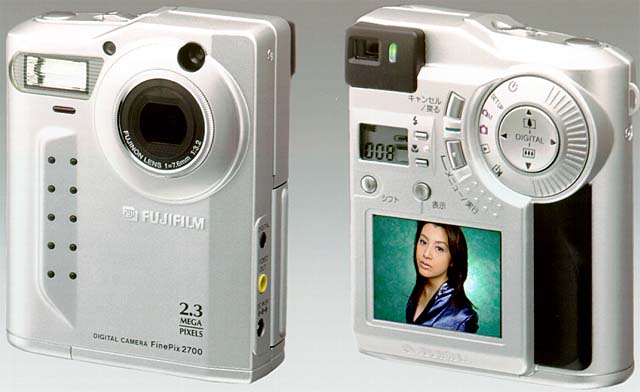
コダックと富士フィルムは、同じ業種でありながら、市場環境への対応、経営方針は180度違っていた。
コダックは自らを「フィルム・写真を売る会社」と定義づけたのに対して、富士フィルムは「2000年をピークにフィルム市場が10年で10分の1と急速に縮小すること」を予測して、本業の消失を前提として自己否定と構造改革をおこない、自らを「高分子化学や精密塗布などの技術を持つ会社」とリブランディング、デジタル・カメラへの移行だけに留まらず、フィルム事業の縮小に伴う大規模な構造改革と固定費削減を断行した。
その結果、売上高、営業利益ともに連続して増収増益を達成、安定した成長を続け、直近の通期連結業績では、売上高が3兆円を超え過去最高水準を更新している。
このデジタルカメラは、経営コンサルタントの委嘱を受けた大手財閥系生命保険会社、同社の損害保険子会社に提出する「海外出張報告書」に写真を挿入するための持参であったが、行く先々で、お会いした実に多くの方々から非常に珍しがられたことを記憶している。それほど、当時はまだ「デジタル・カメラ」は普及していなかった。
しかし、いまでは、携帯電話(スマホ:スマートフォン)にもデジタル・カメラ機能が付帯され、というよりも、デジタル・カメラそのものをスマホが駆逐、その市場を占有しているのが現況である。それほど「デジタル・カメラ機能」はごく普通の存在として受け止められている。
2.「コダック・モーメント」
「映像界の巨人」コダックは、世界初のデジタル・カメラを開発するなど、アナログ分野だけでなくデジタル分野でも、世界最高水準の非常に高い技術力を誇っていた会社であった。
しかし、写真フィルム事業の大きすぎる成功のため、写真フィルムの業績に悪影響を与えるとの理由から、自社の発明品であるデジタル・カメラの商業化を見送るなどデジタル化の波に乗り遅れた。
現在、スマホ、テレビに最高画質を与える機能と言われている「有機EL技術」も、1982年にコダックが特許を取得していた。しかし、資金調達のため2009年に韓国のLGへ僅か1億ドルで売却した、今日の有機EL市場は500億ドル以上の市場になっている。こういう数々の経営判断のミスが続いた上に、2000年代以降はフィルム市場が急激に衰退、遂には倒産の憂き目を見ることになったのである。
「写真に残したくなる感動的な瞬間」という意味で、コダックが1980年代に打ち出した有名な広告キャッチコピーが「コダック・モーメント(Kodak Moment)」である。
家族の笑顔、子供の成長、旅先での絶景、感動的な出来事など、「思わずカメラに収めたくなるような、かけがえのない瞬間」を指す言葉として有名になり、 英語圏では「シャッターチャンス!」と言う時には、“That was a Kodak moment!” と使われているほどである。
しかし、現在、「コダック・モーメント」は、「市場が急激に変化している決定的瞬間」を意味する言葉として、「旧分野での大きすぎる成功のため、新たなイノベーションに乗り遅れる、イノベーションのジレンマ」を意味する言葉としての方がよく知られている。
3.「南海トラフ想定で米豪と災害指揮演習 離島復旧へ車両も大規模輸送」
日本経済新聞のWEBサイトで、2026年7月23日 14:30、「会員限定記事」として、この表題で配信された記事は、次のように記されていた。以下、同記事を引用する。
南海トラフ想定で米豪と災害指揮演習 離島復旧へ車両も大規模輸送
自衛隊は21日から全国各地の拠点で南海トラフ地震を想定した防災演習を始めた。米軍やオーストラリア軍との連携を確かめ、情報集約に内閣府の新たなシステムを使った。輸送艦で離島に自衛隊車両などを運ぶ訓練もした。
「自衛隊統合防災演習」は24日まで実施し、陸海空3自衛隊あわせて1万5000人ほどが参加する。首都直下地震を念頭に置いた2025年度の演習と異なり、本州の太平洋側で広く被害が生じたと想定した。
内閣府の「新総合防災情報システム(SOBO-WEB)」を初めて活用した。断水状況や交通規制といった災害による影響・被害を集約して地図上に落とし込み、スムーズな物資輸送などに役立つ。
米豪軍と演習に取り組むのは大規模災害の救援活動で同盟・同志国軍の協力が不可欠だからだ。連絡や調整に時間がかかると混乱するため、平時の演習で自衛隊が支援を受けたい部分を他国に共有しておく狙いがある。
米軍とは「同盟調整メカニズム(ACM)」を生かし連携のあり方を確認した。ACMは自衛隊と米軍の部隊協力を円滑にするため15年に立ち上げた枠組みだ。豪州軍とも連絡調整を巡る手順を訓練した。
米豪両軍は11年の東日本大震災で活動した実績がある。米軍は「トモダチ作戦」として被災者の捜索・救助や物資の輸送、がれきの除去を手伝った。豪州軍も輸送機で水などの物資や自衛隊の部隊を運んだ。
自衛隊海上輸送群は指揮演習と連動し、離島に自衛隊や民間の車両を輸送した。同輸送群の中型輸送艦「ようこう」が21日、海上自衛隊横須賀基地で訓練の様子を報道各社に公開した。
神津島(東京都)が被災して電力が途絶え、通信もできない状態に陥った事態を想定した。ようこうに自衛隊や国土交通省、NTT東日本などの車両20台ほどを30分間かけて積み込んだ。同艦は陸地にスロープを伸ばし車両が直接出入りできる。
海上輸送群は主に陸自が運用を担う。直接港に接岸して物資や車両を積み下ろしできる。ようこうより小型の輸送艦は港が地震などで壊れても砂浜に直接乗り上げて救援物資を届けることもできる。
政府のワーキンググループが25年に出した報告書は南海トラフ地震について「極めて甚大な被害が多様な形態で発生する」と強調した。具体的には死者が最大30万人弱、建物は全壊・焼失被害が最大でおよそ235万棟に及ぶと試算した。
早期に救援物資を届けることで、ライフラインの遮断による被害の拡大を防ぐ必要がある。同報告書によると、最大で停電件数は3000万軒近く、食料不足は2000万食ほどに達する。
4.南海トラフ地震の切迫度
この日本経済新聞の記事を見て多くの方々はどう思われるのだろうか、筆者は思わずそう考えて本コラムを執筆することにした。
既に多くの方の記憶からほぼ消えているのではと思われるが、いまからちょうど2年前、2024年8月8日には、日向灘を震源とするマグニチュード7.1の地震の発生を受けて、「南海トラフ地震臨時情報(巨大地震注意)」が発表された。
同年8月22日の南海トラフ地震臨時情報の「終了発表」では、「政府では、8月8日16時43分頃の日向灘を震源とする地震の発生から1週間経過したことから、8月15日17時をもって、南海トラフ地震臨時情報(巨大地震注意)発表に伴う政府としての『特別な注意の呼びかけ』を終了しています。」とある。
しかし、その後には、以下の言葉が続いている
過去の世界的な事例をみると、大規模地震の発生の可能性は、最初の地震(8月8日の地震)の発生直後ほど高く、時間の経過とともにその可能性が低下していく傾向がありますが、最初の地震から1週間以上経過した後に大規模地震が発生した事例もあります。
南海トラフ沿いの大規模地震(マグニチュード8から9クラス)は、「平常時」においても今後30年以内に発生する確率が70から80%であり、昭和東南海地震・昭和南海地震の発生から約80年が経過していることから切迫性の高い状態です。
南海トラフ沿いで異常な現象が観測されず、突発的に南海トラフ地震が発生することもあります。
南海トラフ沿いでは、いつ大規模地震が発生してもおかしくないことに留意し、「日頃からの地震への備え」については、引き続き実施してください。
気象庁では、引き続き注意深く南海トラフ沿いの地殻活動の推移を監視します。
気象庁、地震調査研究本部、関係者の方々の「注意喚起は(決まったことなので)止めますが、地震発生の状況は変っていません」という思い、その判断に至るまでの苦悩が現われていると筆者は感じた文章であった。

今回のまとめ
南海トラフ地震の切迫性、その被害の巨大さが叫ばれて久しい、また前述のとおり、ちょうど2年前には「南海トラフ地震臨時情報(巨大地震注意)」が出されている。
そして今月、2026年7月、4日間に亘って、陸海空3自衛隊あわせて1万5000人ほどが参加して全国各地の拠点で南海トラフ地震を想定した「自衛隊統合防災演習」がおこなわれた。しかも、日本だけではなく、米軍やオーストラリア軍との連携もおこない、情報集約に内閣府の新たなシステムを使い、更には輸送艦で離島に自衛隊車両などを運ぶ訓練もした。
この「自衛隊統合防災演習」の姿を;
(A)本来の意味の「コダック・モーメント(Kodak Moment)」、「かけがえのない瞬間」として受け止めるか、それとも、
(B) デジタル・カメラを発明しておきながら、その発明に蓋をして倒産への途を歩んだように「傍観するだけの瞬間」とするのか、
このどちらかの選択によって、来るべき近い未来は確実に決定される。それほど、「南海トラフ地震発生の事態は切迫している」と筆者は考えている。机上の理論、学問上の単なる示唆ではなく、政府が外国とともに南海トラフ地震発生に備える「自衛隊統合防災演習」までおこなったのである。
弊社ホームページの「代表メッセージ」には、「2011年3月11日の東日本大震災発生時、補償が及ばないリスクによる損害のため、企業が支払う保険料に対して日本の保険会社から支払われる保険金があまりにも少ないという日本の損害保険制度の限界を思い知らされました。」と記した。
東日本大震災の被害状況の映像がテレビで繰り返し映され、津波によって流される何千台もの自動車を見て、筆者は損害保険の限界を強く感じた。それが「キャプティブ事業」へ自らを駆り立てるきっかけとなった。
本コラムに何度も記したが、観測史上最大の地震である「東日本大震災」でさえ、その2日前でも予兆を全く測定、予測することができなかった。
政府は「南海トラフ海底地震津波観測網(N-net)の構築」等、南海トラフ地震の観測・予知に鋭意努めてきてはいるが、地球規模のプレート、それも何枚もの巨大なプレートが引き起こす大地震、その予知、予測が簡単にできるかどうかは、少し地震に関係することを学べば分かることである。
また、南海トラフ地震が発生した場合、その損害は東日本大震災の比ではなく、日本の国家予算を遙かに上回る規模であり、東日本大震災の何十倍もの損害になる可能性が高いということも考えなければならないことである。
政府、地方公共団体の努力だけではあがなうことができない事態であり、国民、特に多くの資金を有し、大きな資産を抱えている企業は、そのリスクマネジメントへの努力が強く求められるところではないだろうか。
筆者が、「キャプティブを活用した補償プログラムの構築」を本コラムで強くお勧めしてきている理由はここにある。「起きてからでは遅い」からである。
執筆・翻訳者:羽谷 信一郎
English Translation
Captive (CA) 86 – The Self-Defence Forces preparing for the Nankai Trough earthquake
At one time, the company employed 145,000 staff worldwide, and in 1997 its share price reached $94.75 per share; however, the business subsequently lost momentum significantly due to a series of poor management decisions. The share price eventually plummeted to $0.36 per share, and to cap it all, on 19 January 2012, the company filed for Chapter 11 bankruptcy protection. This once-global enterprise now operates in the United States, having shrunk to one-tenth or one-twentieth of its former size.
It is a global company whose name everyone has heard at least once: the ‘Eastman Kodak Company’ (commonly known as ‘Kodak’), founded in 1888 by George Eastman.
It was the company that first developed and launched the ‘strip of photographic film wound around a spool’ (roll film) that we know today—a product that replaced the heavy glass plates (dry plates) used previously and served as the catalyst for the widespread popularisation of photography. Thanks to this invention, Thomas Edison was able to develop the first motion picture camera in 1891; it was a company that could truly be described as a ‘giant of the imaging world’. It remained a world-class, top-tier company, subsequently becoming the first in the world to develop colour film and digital cameras, amongst other innovations.
Why, then, did such a top-tier company end up facing bankruptcy?
1. Digital Cameras
Having resigned from what was said to be the world’s largest US insurance company and returned to Japan, I was commissioned to provide management consultancy services to the non-life insurance subsidiary of a major conglomerate-affiliated life insurance company that had only just been established. This came with the statement: ‘For the first time in our company’s 120-year history, we have decided to engage an independent management consultant.’ Two years later, in April 1999, I travelled abroad on business with the company’s department manager.
The purpose of the trip was to develop insurance products and to investigate and negotiate with potential partners for operational cooperation and alliances.
Starting with attendance at the 37th Annual Conference of ‘RIMS (Risk and Insurance Management Society, Inc.)’—the world’s largest risk management organisation—held in Dallas, USA, the trip continued to New York, then on to Bermuda to investigate opportunities for expanding into captive insurance consultancy, with the final destination being the City of London, the global centre of non-life insurance. The purpose was to hold meetings and negotiations with a reinsurance broker affiliated with a major general trading company—with whom I would later have a long-standing working relationship—as well as with major European and Australian non-life insurance companies. The entire trip was a round-the-world business trip lasting a full four weeks.
The camera I took with me on that occasion was a brand-new ‘digital camera’, recently released by ‘Fujifilm’, a company in the same industry as Kodak.
Although Kodak and Fujifilm were in the same industry, their approaches to the market environment and their management policies were diametrically opposed.
Whilst Kodak defined itself as ‘a company that sells film and photography’, Fujifilm, having predicted that ‘the film market would peak in 2000 and rapidly shrink to one-tenth of its size within ten years’, undertook a process of self-reflection and structural reform based on the assumption that its core business would disappear. It rebranded itself as ‘a company possessing technologies such as polymer chemistry and precision coating’ and, going beyond merely transitioning to digital cameras, resolutely implemented large-scale structural reforms and fixed-cost reductions in line with the downsizing of its film business.
As a result, the company has achieved consecutive increases in both turnover and operating profit over the last few years, maintaining stable growth; in its most recent full-year consolidated results, turnover exceeded 3 trillion yen, setting a new all-time high.
I recall that I had brought this digital camera with me specifically to insert photographs into the ‘Overseas Business Trip Reports’ I was required to submit to the non-life insurance subsidiary of a major conglomerate-affiliated life insurance company, which had commissioned a management consultant. However, I remember that wherever I went, a great many of the people I met found it a real curiosity. That is how uncommon ‘digital cameras’ were at the time.
Now, however, mobile phones (smartphones) come equipped with digital camera functions; indeed, it would be more accurate to say that smartphones have effectively supplanted digital cameras altogether and now dominate that market. This illustrates just how commonplace ‘digital camera functions’ have become.
I had brought it with me to include photographs in the ‘overseas business trip report’ to be submitted to the life insurance company affiliated with a major conglomerate—which had commissioned me as a management consultant—and to its non-life insurance subsidiary; however, I recall that it was regarded as a great curiosity by the many people I met wherever I went. That is how uncommon ‘digital cameras’ were at the time.
However, nowadays, mobile phones (smartphones) come equipped with digital camera functions; or rather, smartphones have effectively supplanted digital cameras altogether and now dominate that market. That is how commonplace ‘digital camera functions’ have become.
2. ‘The Kodak Moment’
Kodak, the ‘giant of the imaging world’, was a company that boasted world-class technological prowess not only in the analogue field but also in the digital sphere, having developed the world’s first digital camera, amongst other achievements.
However, due to the overwhelming success of its photographic film business, and on the grounds that commercialising its own invention—the digital camera—would adversely affect the performance of its film division, the company decided against commercialising it, thereby missing the boat on the wave of digitalisation.
Even ‘OLED technology’—now regarded as the key to delivering the highest picture quality in smartphones and televisions—was patented by Kodak as far back as 1982. However, in 2009, to raise funds, the company sold the technology to South Korea’s LG for a mere $100 million; today, the OLED market is worth over $50 billion. On top of this series of poor business decisions, the film market declined rapidly from the 2000s onwards, ultimately leading to the company’s bankruptcy.
‘Kodak Moment’ was the famous advertising slogan launched by Kodak in the 1980s, meaning ‘a moving moment you want to capture in a photograph’.
It became famous as a term referring to ‘irreplaceable moments that you simply cannot help but capture on camera’—such as a family’s smiles, a child’s growth, breathtaking scenery whilst travelling, or moving events—and in English-speaking countries, it is so widely used that when people say ‘a photo opportunity!’, they often exclaim, ‘That was a Kodak moment!’
However, nowadays, ‘Kodak Moment’ is better known as a term denoting ‘a decisive moment when the market is changing rapidly’ – specifically, the ‘innovation dilemma’, where a company falls behind in new innovations due to having been too successful in its traditional field.
3. ‘Disaster Command Exercises with US and Australia Simulating Nankai Trough Earthquake; Large-Scale Transport of Vehicles for Remote Island Recovery’
An article published on the Nikkei website on 23 July 2026 at 14:30 as a ‘members-only article’ under this headline read as follows. The following is quoted from that article.
Disaster Command Exercises with US and Australia Simulating Nankai Trough Earthquake; Large-Scale Transport of Vehicles for Remote Island Recovery
From the 21st, the Self-Defence Forces began disaster prevention exercises at bases across the country, simulating a Nankai Trough earthquake. They confirmed coordination with the US and Australian armed forces and utilised the Cabinet Office’s new system for information consolidation. They also conducted training to transport Self-Defence Forces vehicles and other equipment to remote islands via transport ships.
The ‘Self-Defence Forces Integrated Disaster Prevention Exercise’ will run until the 24th, with approximately 15,000 personnel from the Ground, Maritime and Air Self-Defence Forces taking part. Unlike the exercises for the 2025 financial year, which were based on the scenario of an earthquake directly beneath the capital, this exercise assumed widespread damage along the Pacific coast of Honshu.
The Cabinet Office’s ‘New Comprehensive Disaster Prevention Information System (SOBO-WEB)’ was utilised for the first time. It aggregates the impacts and damage caused by disasters—such as water supply disruptions and traffic restrictions—and plots them on a map, thereby facilitating the smooth transport of supplies.
The reason for conducting exercises with the US and Australian armed forces is that cooperation with allied and partner nations’ armed forces is essential for relief operations following large-scale disasters. As delays in communication and coordination can lead to confusion, the aim is to share with other nations, during peacetime exercises, the areas in which the Self-Defence Forces would require support.
With the US military, they utilised the ‘Alliance Coordination Mechanism (ACM)’ to confirm methods of cooperation. The ACM is a framework established in 2015 to facilitate cooperation between SDF and US military units. Procedures for liaison and coordination were also practised with the Australian Defence Force.
Both the US and Australian forces have a track record of operations following the 2011 Great East Japan Earthquake. As part of ‘Operation Tomodachi’, the US military assisted with the search and rescue of victims, the transport of supplies and the clearance of rubble. The Australian Defence Force also used transport aircraft to deliver supplies such as water, as well as SDF personnel.
The SDF Maritime Transport Group, in conjunction with the command exercise, transported SDF and civilian vehicles to remote islands. On the 21st, the group’s medium transport ship, the ‘Yōkō’, opened its training session to the press at the Japan Maritime Self-Defence Force’s Yokosuka Base.
The exercise simulated a scenario in which Kozushima (Tokyo) had been hit by a disaster, resulting in a power cut and a complete loss of communications. Around 20 vehicles belonging to the Self-Defence Forces, the Ministry of Land, Infrastructure, Transport and Tourism, and NTT East were loaded onto the *Yōkō* over a period of 30 minutes. The ship extends a ramp onto the shore, allowing vehicles to enter and exit directly.
The Maritime Transport Group is primarily operated by the Ground Self-Defence Force. It can dock directly at ports to load and unload supplies and vehicles. Smaller transport ships than the Yōkō can also beach directly on sandy shores to deliver relief supplies, even if ports have been destroyed by an earthquake or similar disaster.
A report issued in 2025 by a government working group emphasised that the Nankai Trough earthquake would cause ‘extremely severe damage in various forms’. Specifically, it estimated that the death toll could reach just under 300,000, with up to approximately 2.35 million buildings completely destroyed or burnt down.
It is essential to deliver relief supplies at an early stage to prevent the damage from escalating due to the disruption of essential services. According to the same report, the number of households affected by power cuts could reach nearly 30 million, whilst food shortages could amount to around 20 million meals.
4. The Imminence of the Nankai Trough Earthquake
I wondered what many people might think upon reading this article in the Nihon Keizai Shimbun, and this prompted me to write this column.
It may already have faded from the memories of many, but exactly two years ago today, on 8 August 2024, following a magnitude 7.1 earthquake with its epicentre in the Hyūga-nada, a ‘Special Bulletin on the Nankai Trough Earthquake (Warning of a Major Earthquake)’ was issued.
The ‘Termination Announcement’ for the Nankai Trough Earthquake Special Bulletin, issued on 22 August of the same year, stated: ‘As one week has passed since the earthquake with its epicentre in the Hyuga-nada Sea occurred at around 16:43 on 8 August, the Government has terminated its “call for special caution” associated with the Nankai Trough Earthquake Special Bulletin (Warning of a Major Earthquake) as of 17:00 on 15 August.’
However, the following statement follows:
Looking at past global examples, the probability of a major earthquake occurring tends to be highest immediately after the initial earthquake (the earthquake on 8 August) and decreases as time passes; however, there have also been cases where a major earthquake occurred more than a week after the initial earthquake.
The probability of a large-scale earthquake (magnitude 8 to 9) occurring along the Nankai Trough within the next 30 years is 70 to 80 per cent even under ‘normal conditions’; given that approximately 80 years have passed since the Showa Tonankai and Showa Nankai earthquakes, the situation is highly urgent.
Even if no abnormal phenomena are observed along the Nankai Trough, a Nankai Trough earthquake may still occur suddenly.
Please bear in mind that a major earthquake could occur at any time along the Nankai Trough, and continue to implement ‘day-to-day earthquake preparedness’ measures.
The Japan Meteorological Agency will continue to closely monitor trends in crustal activity along the Nankai Trough.
The author felt that this statement reflected the sentiment of the Japan Meteorological Agency, the Earthquake Research Headquarters and other relevant parties—that ‘whilst we are ceasing to issue warnings (as this is standard procedure), the situation regarding the potential for an earthquake has not changed’—and the anguish that led to that judgement.
Summary of this issue
The imminent threat of a Nankai Trough earthquake and the immense scale of the potential damage have long been highlighted; furthermore, as mentioned above, a ‘Special Bulletin on the Nankai Trough Earthquake (Warning of a Major Earthquake)’ was issued exactly two years ago.
Then, this month—July 2026—the ‘Self-Defence Forces Joint Disaster Prevention Exercise’, simulating a Nankai Trough earthquake, was conducted over four days at bases across the country, with the participation of approximately 15,000 personnel from the Ground, Maritime and Air Self-Defence Forces. Moreover, the exercise involved not only Japan but also coordination with the US and Australian armed forces; a new system developed by the Cabinet Office was used to consolidate information; and training was also conducted to transport Self-Defence Force vehicles and other equipment to remote islands via transport ships.
How should we view this ‘Self-Defence Forces Joint Disaster Prevention Exercise’?
(A) as a ‘Kodak Moment’ in the true sense of the term—an ‘irreplaceable moment’—or
(B) as a ‘moment of mere bystandership’, much like how the company that invented the digital camera chose to ignore its own invention and ultimately went bankrupt,
The near future will undoubtedly be determined by whichever of these two choices is made. Such is the author’s conviction that ‘the threat of a Nankai Trough earthquake is imminent’. This is not merely theoretical speculation or an academic suggestion; the government has even conducted the ‘Self-Defence Forces Joint Disaster Prevention Exercise’ in collaboration with foreign nations to prepare for such an event.
In the ‘Message from the CEO’ section of our company website, I wrote: ‘When the Great East Japan Earthquake struck on 11 March 2011, we were starkly reminded of the limitations of Japan’s non-life insurance system, where the insurance payouts from Japanese insurers were far too meagre in relation to the premiums paid by companies, due to losses arising from risks not covered by compensation.’
As footage of the devastation caused by the Great East Japan Earthquake was repeatedly shown on television, and seeing thousands of cars swept away by the tsunami, I felt keenly the limitations of the non-life insurance system. This was the catalyst that drove me to pursue the ‘captive business’.
As I have noted many times in this column, even in the case of the ‘Great East Japan Earthquake’—the largest earthquake in recorded history—it was impossible to measure or predict any precursors, even two days prior to the event.
Although the government has been making strenuous efforts to observe and predict Nankai Trough earthquakes—such as through the ‘establishment of the Nankai Trough Seafloor Earthquake and Tsunami Observation Network (N-net)’—anyone who has studied even a little about earthquakes will realise that predicting major earthquakes caused by global-scale tectonic plates—especially multiple massive plates—is by no means a simple task.
Furthermore, we must bear in mind that should a Nankai Trough earthquake occur, the damage would be on a scale incomparable to that of the Great East Japan Earthquake; it would far exceed Japan’s national budget and is highly likely to amount to tens of times the damage caused by the Great East Japan Earthquake.
This is a situation that cannot be addressed by the efforts of the government and local authorities alone; surely the public—and in particular companies with substantial funds and significant assets—are strongly urged to make efforts towards risk management.
This is precisely why I have been strongly recommending the ‘establishment of compensation programmes utilising captives’ in this column: because ‘it will be too late once it happens’.
Author/translator: Shinichiro Hatani